Bhaiṣajyaguru, Menla, Yaoshi, Yakushi: the names by country
The same Buddha has a different name in each language. Here is a short glossary to help you find your way.
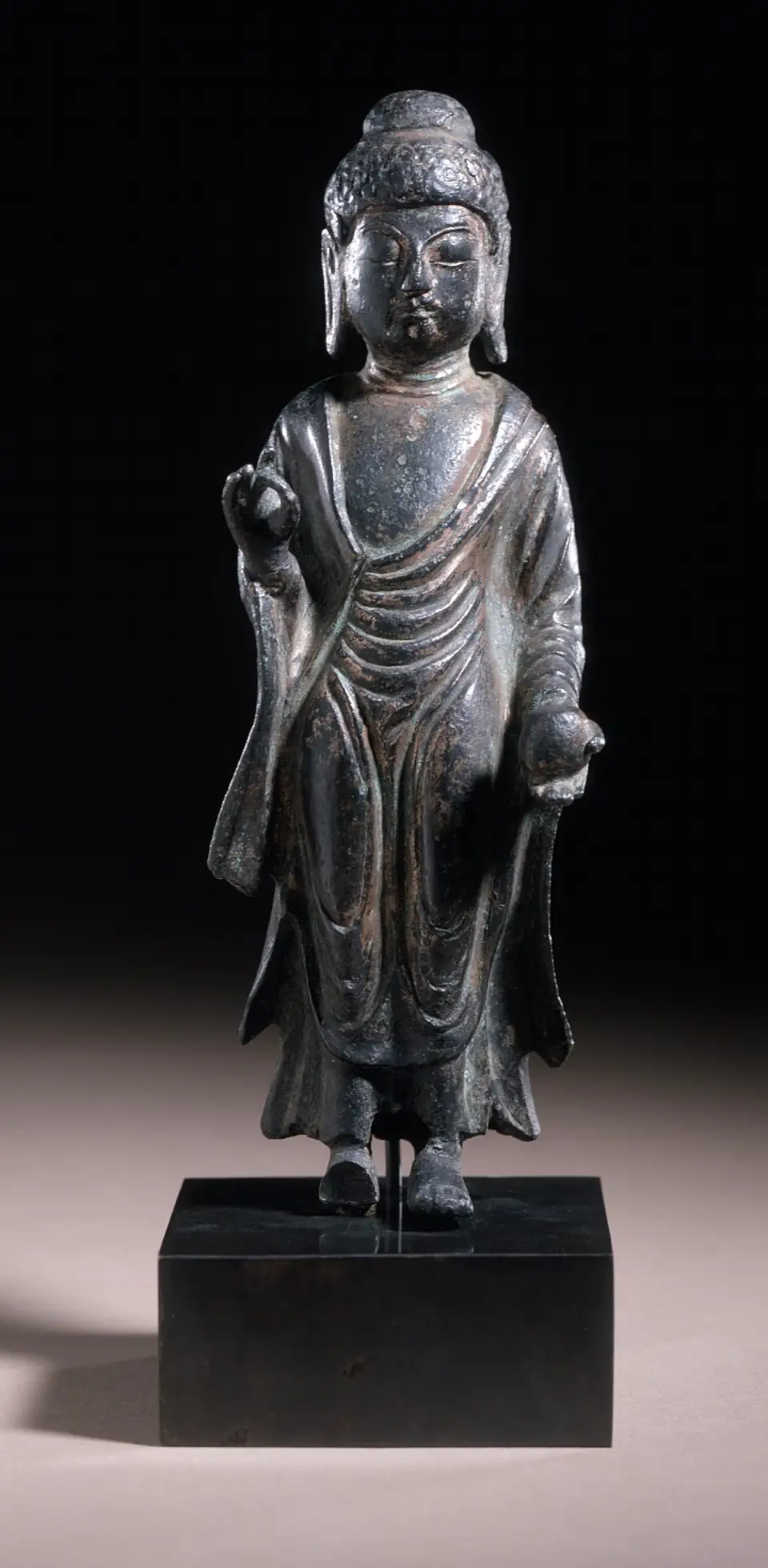
The Medicine Buddha travelled from India to Tibet, China, Korea, Japan and Vietnam. At each step his name was translated, and each translation says something about what people heard in it. Knowing them also helps when looking for books, music or objects. These markers make it possible to recognise this Buddha from one country to the next.
Glossary
- Sanskrit: Bhaiṣajyaguru (“master of remedies”), long form Bhaiṣajyaguru-vaiḍūrya-prabhā-rāja, “king of lapis lazuli light”.
- Tibetan: Sangye Menla (སངས་རྒྱས་སྨན་བླ), “Buddha master of remedies”. “Men” means remedy, “la” is the master.
- Chinese: Yaoshi Fo (药师佛; 藥師佛 in traditional characters), or Yaoshi Liuliguang Rulai, “Tathāgata of liuli light”.
- Japanese: Yakushi Nyorai (薬師如来), familiarly “O-Yakushi-san”.
- Korean: Yaksa Yeorae (약사여래) or Yaksabul.
- Vietnamese: Phật Dược Sư, or Dược Sư Lưu Ly Quang Như Lai.
- Mongolian: Otoch Manla (Оточ Манла). The word “manla” is a loan from the Tibetan “menla”.
- French: Bouddha de la médecine; German: Medizinbuddha.
His names, region by region
Each name is taken from a source cited below the table. For each language: the country or region where it is spoken, the name in its own script, then how it is pronounced in Latin letters.
| Language | Name | Transcription |
|---|---|---|
| Sanskrit | भैषज्यगुरु भैषज्यगुरुवैडूर्यप्रभराज | Bhaishajyaguru Bhaishajyaguru Vaiduryaprabharaja |
| TibetanTibet · Bhutan · Ladakh | སངས་རྒྱས་སྨན་བླ | Sangyé Menla · Sangay Menla |
| MongolianMongolia | Оточ Манла Манла бурхан | Otoch Manla Manla burkhan |
| Buriat | Отошо | Otosho |
| ChineseChina · Taiwan | 药师佛 · 藥師佛 藥師如來 药师琉璃光如来 · 藥師琉璃光如來 | Yaoshi Fo Yaoshi Rulai Yaoshi Liuliguang Rulai |
| CantoneseHong Kong SAR China | 藥師佛 | Yeuk Si Fat |
| JapaneseJapan | 薬師如来 薬師瑠璃光如来 | Yakushi Nyorai Yakushi Ruriko Nyorai |
| KoreanSouth Korea | 약사여래 약사불 | Yaksa Yeorae Yaksabul |
| VietnameseVietnam | Dược Sư Phật Dược Sư Lưu Ly Quang Vương Như Lai | — — |
| ThaiThailand | พระไภษัชยคุรุไวฑูรยประภาตถาคต | Phra Phaisatchaya Khuru Waidun Prapha Tathakhot |
| KhmerCambodia | ភៃសជ្យគុរុ | phei-sach-kuru |
| BurmeseMyanmar (Burma) | ဘေသဇ္ဇဂုရု ဝေဠုရိယာ ပဘာရာဇာ | — |
Sources Wikipedia (en), “Bhaisajyaguru”, infobox; Chuk Lam Sim Yuen, Tsuen Wan (Hong Kong): “Yeuk Si Fat”; Manba Datsan, Ulaanbaatar; Shambala, Ulan-Ude (Статуэтка Отошо); Faculty of Traditional Medicine, Bhutan, “Sangay Men-bLa Drupchoe”
“Doctor” or “master”?
Bhaiṣajya means “remedy”; guru, here, “master”. The Chinese translators rendered the idea as yaoshi, “master of remedies”; the character shi (師) is the same as in “teacher”. Japanese Yakushi simply takes over these two characters (薬師). The English “Medicine Buddha” is therefore a free translation: the text speaks of a master of remedies, not of a physician in the modern sense.
The word “lapis lazuli” and its mystery
Sanskrit vaiḍūrya became baidurya in Tibetan, liuli (琉璃) in Chinese and ruri (瑠璃) in Japanese. Scholars still discuss which stone the word first meant: beryl, cat’s eye, or lapis lazuli; in Chinese usage, liuli even came to mean coloured glass. “Lapis lazuli” is the usual and most evocative translation. The article on the stone tells more of this story.
Why it matters
The same book may be listed under “Yakushi” in Japan and under “Menla” in a Tibetan bookshop. The search box in the catalogue accepts all these names: try “薬師”, “Menla” or “lapis”.
Lapis is free and has no advertising. You can support its upkeep.