Tribute to Akira Toriyama — Dragon Ball Z, Tocharians and the Medicine Buddha
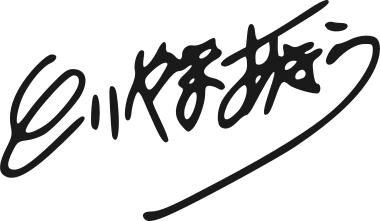
Akira Toriyama’s signature — public domain (Commons).
This page pays tribute to Akira Toriyama (1955–2024) and presents an anthropological study: correspondences between Dragon Ball Z and the Tocharians (Indo-European peoples of western China). Then the thread continues to the Medicine Buddha — Tocharians were a major relay for Buddhism, in a world neighbouring northern Pakistan (Gilgit, Gandhāra). A troubling coincidence, not magic.
- A simple tribute to Akira Toriyama.
- Eleven correspondences: fact with sources, Dragon Ball parallel, references.
- Cultural link: Tocharians → Buddhism → Medicine Buddha (Gilgit / Gandhāra).
Chapter 1
Akira Toriyama
Akira Toriyama drew Dragon Ball and Dragon Ball Z. Millions of readers followed Son Goku. He is thanked here simply, for the work.
Chapter 2
From the manga to Kucha
Son Goku takes Sun Wukong (Journey to the West). That novel follows Xuanzang’s real journey through Kucha, where Tocharian B was written.
Chapter 3
The eleven correspondences
For each point: first what the sources say; then the parallel with Dragon Ball; then the references (pages or PDFs).
1. Muscular types, blond with light eyes, likened to monkeys
What the sources say
Victor H. Mair describes Tarim Basin mummies: Europoid traits, often light hair, sometimes imposing stature. Yan Shigu (Hanshu commentary, c. 640) on the Wusun: blue-green eyes, red beards, appearance “like macaques”.
Parallel with Dragon Ball
In Dragon Ball Z, Super Saiyans have blond hair; tailed Saiyans become Great Apes (Ōzaru) under a full moon. Same trio: light looks, strength, monkey motif.
2. Prayer and the bond with the moon
What the sources say
The Chinese name Yuezhi (月氏) literally reads “Moon Clan”. Tocharian attests a Moon-god (meñ-ñäkte) beside sun and earth (Mallory, SPP 259, pp. 22–23; Isebaert 2018). At Kucha / Kizil, sun and moon are painted on chariots.
Parallel with Dragon Ball
In Dragon Ball, looking at the full moon triggers the Ōzaru transformation. Tarim: moon cult / Moon-god. Manga: the moon commands a power.
3. Monarchs and the dragon reference
What the sources say
Rulers of Yanqi / Karashahr (Tocharian A) bear the Chinese surname Long (龍), “dragon” (Chinese annals; Karasahr Wikipedia). The dragon is tied to the royalty of these oases.
Parallel with Dragon Ball
In Dragon Ball, the dragon is central. The parallel is the dragon reference among Tocharian monarchs and in the manga — without forcing one specific character.
4. Crystal balls and “Celts of Asia”
What the sources say
The press (e.g. The Independent, 2006) nicknamed some Tarim mummies “celtic mummies” / Celts of Asia. Crystal balls are documented in early Europe.
Parallel with Dragon Ball
In Dragon Ball, the story turns on magic balls. The nickname and ancient crystal balls form the proposed parallel with the Dragon Balls.
5. Afanasievo and tall, muscular mummies
What the sources say
Mallory & Mair proposed a link between Afanasievo and Tocharian ancestors. Tarim mummies show Europoid looks; some figures are tall. Nature 2021 DNA finds early Tarim mummies mainly local ANE; Afanasievo remains debated for other groups.
Parallel with Dragon Ball
The image of tall, muscular people with “western” looks crosses that of the Saiyans in Dragon Ball Z.
6. Howls in death and in war
What the sources say
Herodotus (IV.71) describes Scythian mourning: violent rites at royal funerals. Mallory & Mair note similar Central Asian practices; Chinese sources also attribute them to the Saka of Khotan.
Parallel with Dragon Ball
In Dragon Ball Z, Saiyans howl in combat and transformation. Same register: war and death cries / combat cries.
7. Sun, light, thunder god
What the sources say
Tocharian has a sun-god, moon-god and earth-god (Mallory, SPP 259, pp. 22–23; Isebaert). The Book of Zhou says Yanqi serves Heaven’s god(s). In Buddhism that crossed the Tarim, Indra (storm/thunder) is present.
Parallel with Dragon Ball
Saiyans are tied to power, light (Super Saiyan aura) and thundering combat. Parallel: sky / sun / thunder cult ↔ luminous battle energy.
8. Saka / Scythian influence: fight to live, live to fight
What the sources say
The Saka (eastern Scythians) are attested in Inner Asia and the Tarim. Antiquity describes them as horse-archers, a people of war and mobility.
Parallel with Dragon Ball
Saiyans in Dragon Ball Z are a fighter people: fight to live, live to fight. Same idea for Saka neighbours and for Saiyans.
9. Chariots and celestial vehicles
What the sources say
Tocharian has wagon vocabulary (Mallory, SPP 259, p. 22). At Kucha / Kizil the sun god is painted on a chariot (SPP 085). SPP 225 studies “winged celestials”. The Han named Dayuan’s mounts “heavenly horses” (tianma).
Parallel with Dragon Ball
Son Goku travels on a supernatural cloud / vehicle. Parallel with the gods’ chariots and “celestial” mounts.
10. Son Goku ← Sun Wukong and the Western China epic
What the sources say
Son Gokū takes the name and traits of Sun Wukong, Monkey King of Journey to the West. That novel follows Xuanzang’s real journey through Tocharian Kucha.
Parallel with Dragon Ball
Direct thread: Dragon Ball → Monkey King → epic → Xuanzang → Tocharian Kucha.
11. 1990 special “The Father of Goku” and the end of the Tocharians
What the sources say
The TV special Dragon Ball Z: Bardock – The Father of Goku (Fuji TV, 17 Oct 1990) tells of Planet Vegeta’s destruction and the near-end of the Saiyans. Tocharian languages fade after Uyghur arrival (9th c. onward; SPP 337).
Parallel with Dragon Ball
Two endings of a people side by side: the Dragon Ball version (1990) and the historical disappearance of Tocharian languages. A troubling coincidence, not magic.
Chapter 4
Tocharians, a relay for Buddhism
Tocharian oases — especially Kucha — were major Buddhist nodes on the Silk Road. Most surviving Tocharian texts are Buddhist. Kumārajīva translated decisive texts into Chinese. Tocharians did not invent Buddhism; they were a principal passage.
Chapter 5
The Medicine Buddha: Gilgit, Gandhāra, northern Pakistan
Sanskrit manuscripts of the Bhaiṣajyaguru (Medicine Buddha) sūtra belong to the Gilgit manuscripts (1931), in today’s northern Pakistan — ancient Gandhāra.
Why it matters. Gilgit and Gandhāra are not the Tarim Basin. Tocharian kingdoms are their network neighbours. We do not say the Medicine Buddha “was born in Kucha”. We say: cult and texts in a related, very neighbouring world. “Inside” Tocharian kingdoms in the strict sense is not established; neighbourhood is.
Thank you, Akira Toriyama (1955–2024).